On Winning. When Your Next Chapter is on the Line, Choose the Firm with a Reputation for Protecting What Matters Most. Call Tampa’s Trusted Family Law Advocates.


Tampa Family Law Attorneys
Results-Driven Family Law Representation That Puts Clients First
While navigating any legal dispute can be stressful, family law matters can be all the more overwhelming due to their sensitive and emotional nature. When your marriage, children, or hard-earned assets are on the line, securing a skilled family law attorney in Tampa is a must to avoid significant legal, financial, and personal repercussions.
At Robert Sparks Attorneys, we understand the high stakes involved in family disputes. That’s why our family lawyers are committed to safeguarding your future in Tampa. As attorneys, our firm is well-versed in Florida law and can guide your legal steps with wisdom and clarity. We recognize the life-altering impacts that family law decisions can have on your life, which is why our compassionate advocates are dedicated to giving your case the personalized attention and care it deserves.
When you work with us, we review your goals, outline potential options, and discuss the pros and cons of negotiation, mediation, and litigation. This collaborative approach allows you to stay in control of major decisions while we handle the legal strategy and court requirements on your behalf.
Your priorities are ours. Our family law attorney in Tampa protects your rights, family, and future. Call (813) 710-4816 or contact us online.
Types of Family Law Cases We Handle in Tampa, FL
Robert Sparks Attorneys takes pride in providing objective and informed legal counsel tailored to your specific case.
Our attorneys represent individuals and families in a wide range of family law disputes, including:
- Alimony: Assistance with establishing, challenging, or modifying spousal support based on income, duration of the marriage, and financial need.
- Child Custody and Visitation: Development and modification of parenting plans that address time-sharing, parental responsibility, and the best interests of the child.
- Child Support: Calculating, enforcing, and modifying child support obligations.
- Contempt of Court and Enforcement: Enforcement of existing court orders when one party fails to comply, as well as defense against alleged violations.
- Divorce: Legal guidance through contested and uncontested divorce matters, including filing requirements, negotiations, and court proceedings under Florida law.
- Domestic Violence and Restraining Orders: Representation in matters involving injunctions for protection, including related issues affecting custody, support, and personal safety.
- High Net Worth Divorce: Handling divorces involving substantial assets, business interests, investments, and complex property division issues.
- Mediation: Alternative dispute resolution focused on resolving family law matters outside of court through structured negotiation and mutual agreement.
- Military Divorce: Family law matters involving active-duty service members or veterans, including jurisdiction, benefits, and compliance with military regulations.
- Modifications and Relocation: Requests or defenses involving changes to custody, support, or parenting plans, including relocation within or outside Florida.
- Paternity Rights: Legal support for establishing or disputing paternity, which can impact custody, visitation, and child support responsibilities.
- Prenuptial and Postnuptial Agreements: Drafting and review of agreements that define financial rights and responsibilities before or during a marriage.
- Property Division: Identification, valuation, and equitable distribution of marital assets and debts, including real estate, retirement accounts, and complex financial holdings.
Many of these matters are interconnected, which is why we look at your entire situation instead of treating each issue in isolation. For example, a relocation request can affect time-sharing, child support, and even school choices in the Tampa area. By taking a big-picture view, we can help you avoid unintended consequences and structure agreements that are workable for your family long term.
Whether you are just beginning to consider your options or are already involved in a pending case, our family lawyer in Tampa focuses on practical, step-by-step guidance tailored to your goals.

Types of Divorce in Florida
If you’re filing for divorce, you may be wondering which path to marriage dissolution is best for you. Consulting with an experienced family lawyer is paramount to choosing the appropriate type of divorce for your unique circumstances.
Types of divorce in Florida include:
- Contested dissolution of marriage: In a contested divorce, one or both parties must file a petition for dissolution and potentially attend court hearings to resolve disputes regarding child custody, support, property division, and alimony. The outcome is determined by the judge.
- Uncontested dissolution of marriage: In an uncontested divorce, both parties must agree on all terms of the divorce, including child custody, support, property division, and alimony. This option can save time and money compared to a contested divorce, but can be difficult to qualify for due to the need for full agreement between spouses.
- Simplified dissolution of marriage: A simplified divorce is available to couples who do not have children or significant assets and agree on all aspects of the divorce. This process involves filing a petition for simplified dissolution, attending a final hearing, and obtaining a final judgment of dissolution.
Beyond choosing the right divorce type, it is important to understand the basic process and filings required in Florida. Most divorces in Tampa begin with a petition filed in the Hillsborough County family court, followed by financial disclosures, negotiation or mediation, and, if needed, a final hearing. We walk you through each step, help you gather the documentation the court requires, and coordinate with the other party or their attorney to keep your case moving forward efficiently.
We also help you think strategically about timing, living arrangements, and financial planning during the divorce. For instance, decisions about who remains in the marital home, how to handle joint accounts, and how to communicate with your spouse can all affect the tone and outcome of the case. Our family lawyer's goal is to help you approach each decision with clarity so you can protect your interests while reducing unnecessary conflict.
Understanding Property Division in a Tampa Divorce
Florida is an equitable distribution state, meaning that family courts seek to divide marital property equitably in a divorce. Unlike community property states, which generally aim to divide marital assets equally, equitable distribution states aim to divide property fairly based on a variety of factors.
“Marital assets” refer to jointly owned assets and debts acquired during the marriage, while separate property refers to property owned by one spouse. Common examples of marital property include the family home, vehicles, retirement accounts, and investment portfolios acquired during the marriage. Separate property may include inheritances, gifts from third parties, or premarital assets.
In a Tampa divorce, the court will also look closely at how assets and debts are titled, how they were used during the marriage, and whether any commingling occurred. For example, if one spouse used premarital funds as a down payment on a home later retitled in both spouses’ names, a portion of that value may be treated as marital. We review bank statements, closing documents, and other records with you so we can clearly present your position on what should be divided and what should remain separate.
What Factors Are Considered During Equitable Distribution in Florida?
Below are some influencing factors that may affect property division in a Florida divorce:
- The length of the marriage
- Each party’s contribution to the household
- Each party’s earning potential and financial needs
- Each party’s financial contributions to the marriage
- Any waste or depletion of marital assets by either party
- Any agreements made between the parties, such as prenuptial agreements
- Each party’s non-financial contributions to the marriage, such as caring for children or managing a household
Why Hire Robert Sparks Attorneys for Your Family Law Matter in Tampa?
If you’re preparing for family court, securing experienced representation is essential to seek a favorable outcome. When you partner with Robert Sparks Attorneys, you’ll benefit from:
- Legal experience: With years of experience, our highly skilled advocates have diverse legal knowledge and skills to guide your steps wisely throughout family court proceedings, enhancing your chance of securing a favorable outcome.
- Client-centric representation: At Robert Sparks Attorneys, we deeply value our relationships with every client we serve. We understand that family law matters are not merely legal but also deeply personal to you and your loved ones. That is why we make every effort to guide families with compassionate counsel.
- Effective negotiators: Our lawyers can negotiate skillfully with insurance companies and other involved parties to pursue a favorable settlement on your behalf, helping prevent insurers from taking advantage of you with low offers.
- Proven results: With our proven track record of results, you can trust our firm to provide sound counsel every step of the way while pursuing a favorable outcome in your case.
- Trial readiness: As accomplished litigators, our firm does not shy away from a trial if it becomes necessary to achieve a fair resolution, giving you peace of mind that you will not have to settle for less than you believe is fair.
How Is Child Custody Determined in Tampa?
Family courts are obligated to prioritize the child’s best interests in all child custody decisions.Some key considerations that often guide custody decisions include:
- The child’s routine and stability. Courts look at school, community ties, and continuity of care.
- The parents’ communication. Judges consider whether each parent can encourage a positive relationship with the other parent.
- Any safety concerns. Issues such as substance abuse or past violence can affect the structure of time-sharing.
- The child’s specific needs. Medical, educational, or developmental needs may require tailored schedules.
Judges often prefer parenting plans that allow children to maintain stable routines and close relationships with both parents when it is safe to do so. We work with you to develop a detailed proposed parenting plan that addresses time-sharing schedules, holidays, transportation, and communication so that your child’s needs remain at the center of the case.
If there are concerns about substance abuse, domestic violence, or significant communication breakdowns, the court may consider safeguards such as supervised time-sharing or exchange locations. Our role is to help you document relevant facts, gather supporting records, and present your perspective in a clear, organized way. By preparing thoroughly, our family law attorney advocates for a custody arrangement that protects your child’s well-being while remaining realistic about your family’s circumstances.
Types of Spousal Support Available Under Florida Law
Florida law provides several types of alimony:
- Temporary alimony supports a spouse during the divorce process
- Bridge-the-gap alimony is short-term and helps the recipient transition to single life.
- Rehabilitative alimony is intended to support a spouse while they obtain education or job training.
- Durational alimony provides support for a set period based on the length of the marriage.
When reviewing whether alimony is appropriate, courts often weigh factors such as:
- The length of the marriage. Longer marriages may support longer-term alimony in some cases.
- The standard of living during the marriage. Courts try to avoid drastic financial disparity when possible.
- Each spouse’s earning capacity. Education, work history, and health can all affect future income.
- Contributions to the marriage. This includes both financial and non-financial support, such as homemaking or childcare.
When we assess potential spousal support in a Tampa divorce, we take time to review your monthly budget, work history, and future earning potential. We also discuss how different forms of alimony might interact with property division so you can evaluate the overall impact on your long-term financial stability. In some cases, a structured lump-sum payment may be more appropriate than ongoing support, while in others a short-term arrangement tied to education or training can provide a useful bridge toward independence.
By presenting a well-supported proposal that reflects Florida’s statutory factors, we aim to put you in a stronger position during negotiation and, if necessary, at a hearing. Our objective advice can also help you evaluate whether a proposed settlement is practical, rather than focusing only on short-term demands.
How Does Child Support Work in Florida?
Child support in Florida is calculated based on a formula that considers both parents’ incomes, the child’s needs, and the time each parent spends with the child. The court aims to ensure the child has adequate support for basic needs, education, and healthcare. Other expenses, such as childcare and medical insurance, may be factored into the total support amount. Typically, the non-custodial parent makes payments to the custodial parent, but this depends on the specific custody arrangement.
When calculating or reviewing child support, some common elements include:
- Each parent’s gross income. Wages, bonuses, and certain benefits are considered.
- Health insurance costs. Premiums for the child’s coverage are factored into the guidelines.
- Childcare and educational expenses. Necessary costs tied to work or school may be shared.
- Overnights and time-sharing. The number of nights the child spends with each parent can affect the guideline amount.
In practice, the Florida child support guidelines are applied using detailed financial affidavits that both parents must complete and file with the court. In Tampa, these forms are often required early in the case so the court can make temporary support decisions if needed. We assist you in accurately completing the paperwork, identifying allowable deductions, and ensuring that variable income, such as bonuses or commissions, is addressed in a fair way.
Child support orders may also address how parents share additional expenses, such as uncovered medical bills, school supplies, and extracurricular costs. Over time, changes in income, health, or time-sharing may justify a modification of the original order. We help parents seek or respond to modification requests by gathering current financial information and showing the court how circumstances have changed since the last order was entered.
How Does Tampa Handle Domestic Violence in Family Cases?
Domestic violence can significantly impact family cases, particularly those involving child custody and divorce. Domestic violence, restraining orders, and related findings can affect several aspects of a family case, including:
- Temporary housing and access. One party may be granted exclusive use of the home.
- Short-term custody arrangements. Courts often enter temporary parenting plans focused on safety.
- Communication boundaries. Orders may restrict direct contact and require third-party exchanges.
- Long-term parenting decisions. A documented history of violence can influence final time-sharing and decision-making authority.
In Florida, petitions for injunctions against domestic violence are often heard quickly, sometimes on the same day they are filed, which can feel overwhelming without guidance. In Hillsborough County, these hearings typically take place in the local courthouse. We help clients prepare for these hearings by organizing evidence, such as photographs, messages, or prior police reports, so the judge has a clear understanding of the situation.
Is Mediation Required in Florida Family Cases?
Mediation is often required in Florida family cases, particularly for divorce, custody, and property disputes. Mediation allows both parties to attempt to resolve their issues with the help of a neutral third-party mediator. It is typically less adversarial and less expensive than going to trial and often results in faster resolutions. In many Florida counties, mediation is mandatory for certain family law disputes before proceeding to a court hearing, as the state encourages amicable settlements whenever possible.
In Tampa, most family cases are referred to mediation after the initial filings and financial disclosures are complete, giving both sides enough information to negotiate realistically. We prepare you for mediation by reviewing your goals, outlining a reasonable settlement range, and identifying issues where you may be flexible and non-negotiable issues. This preparation helps you approach the session with a clear plan rather than reacting in the moment.
During mediation, your Tampa family law attorney can speak privately with you, help you evaluate proposals, and make sure any agreement is detailed enough to be enforceable in court. If a full agreement is not reached, we use the progress made in mediation to narrow the issues that must be decided by a judge. This approach can save you time, legal fees, and emotional strain while still protecting your core interests.
Our Family Law Process in Tampa
Understanding what to expect from the legal process can ease some of the stress that comes with family disputes. At Robert Sparks Attorneys, we use a structured and transparent approach for family law matters in Tampa, so you know where your case stands and what to expect next. From the initial consultation through the final court order, the focus remains on clear communication, realistic timelines, and a coordinated legal strategy.
- Initial Consultation and Case Assessment: The process begins with gathering detailed background information and reviewing any existing court orders or agreements. Early attention is given to immediate concerns such as temporary support, time-sharing arrangements, or safety-related issues.
- Filing and Procedural Guidance: Once the case direction is clear, the filing requirements and deadlines in Hillsborough County are explained, along with what documents and disclosures may be required. Clients are informed whether the matter is more likely to proceed through negotiation, mediation, or court hearings.
- Strategy Development and Case Planning: A tailored strategy is developed based on your goals, family dynamics, and financial circumstances. This approach is revisited as the case progresses to account for changes in priorities or new information.
- Ongoing Communication and Preparation: Regular updates are provided as the case moves forward, including preparation for key events such as mediation sessions, settlement conferences, or testimony before a judge. Guidance is also offered on day-to-day decisions that may affect the case, including communication with the other party and responding to discovery requests.
- Resolution and Final Orders: Whether the case concludes through settlement or court decision, the focus is on reaching a resolution that is clear, enforceable, and designed to provide long-term stability. Final orders are reviewed carefully to verify they reflect the outcome and protect your interests moving forward.
This structured process is designed to give you the space to focus on your family while pursuing a durable and practical resolution. Get in contact with us to understand your available options and what we can do for your case.

Our Attorneys
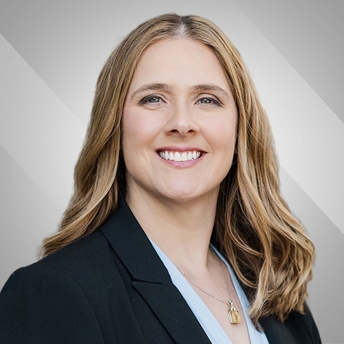
With decades of legal experience, the trial lawyers at Robert Sparks Attorneys have earned the respect of their peers and clients in Tampa and throughout Florida.




Reputation. Trust. Winning Results.
Read What Our Clients Say In Their Own Words.

-
“The professionalism of staff, the promptness of responses to questions, and the overall guidance through the process after my accident was astounding. Rob and Garrett were absolutely AMAZING.”- Daner J.
-
“I am very satisfied with the exceptional work that Robert Sparks Attorney has done for me and my case. Garrett Riley handled my case. I really appreciate how communicative and persistent he was.”- Alexis M.
-
“The communication with him and his team is fantastic, and you really feel they are with you every step of the way with your case. He is very caring and understanding, and takes initiative and leads the charge with moving your case along.”- Mary A.
-
“My cases both had successful outcomes and I am certain that this as a result of his knowledge and work ethic. His attention was primarily focused on my health and well being prior to anything else.”- Melissa E.
-
“Although, I have to put a special highlight on Cheryl! She is one of the sweetest and most compassionate people I know. She truly cares about their clients as if they were friends and had know each other for years.”- Nicole S.
-
“It was non-stop communication with both Rob and Cheryl. The road was long but this team is adamant and steadfast on their mission and dedication to each client.”- Michelle N.
-
“Rob, thank you so much for helping with all of this and know that I hold you and your staff in the highest professional esteem. No matter what was thrown at us, you had an answer that countered.”- Former Client
-
“Our family cannot begin to express appreciation for the legal expertise provided by attorney Robert Sparks and his team at Robert Sparks Attorneys!”- Former Client

Contact Our Tampa Family Lawyers Today
When it comes to protecting your family and future, don't settle for less than experienced counsel from Robert Sparks Attorneys. When you partner with us, our attorneys will take the time to listen and understand your unique needs, concerns, and goals, allowing us to provide informed guidance tailored to your specific situation. With years of experience and a proven track record of results, we can work diligently to safeguard your rights.
Whether you're facing divorce, custody, or alimony, our skilled family law attorney in Tampa at Robert Sparks Attorneys is ready to support you. Call (813) 710-4816 or contact us online.


Award-Winning Trial Attorneys
Our Attorneys Have Received Some of the Top Legal Ratings & Awards in the Nation







GET SERIOUS is more than our slogan, it’s our mission statement. With backgrounds as prosecutors, insurance defense, public defense, and law enforcement, we use our 100 years of combined experience to position your case for success.